
Equipment
Wound care
Dressings and skin-protection supplies, delivered on a schedule that matches your doctor's order.

Examples of what we carry
Wound care supplies
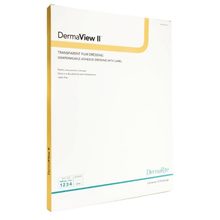
Transparent film dressing
A thin, clear cover for light or dry wounds
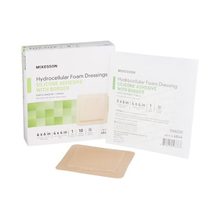
Foam dressing
For wounds with drainage

Bordered foam dressing
Foam pad with an adhesive border
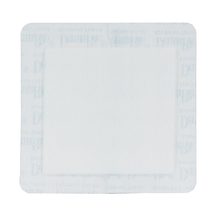
Silicone foam dressing
Gentle on fragile skin
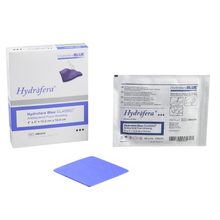
Antibacterial foam dressing
For wounds at risk of infection, as ordered
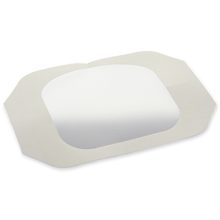
Island dressing
Absorbent centre with an adhesive border
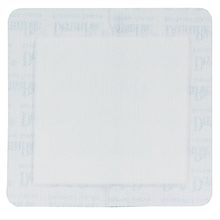
Bordered gauze dressing
Gauze pad with an adhesive border
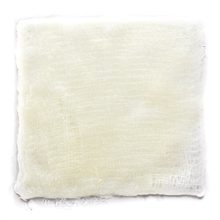
Absorbent (ABD) pad
Thick pad for heavy drainage
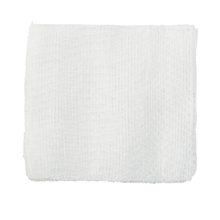
Gauze sponges
Woven gauze squares for cleaning and covering
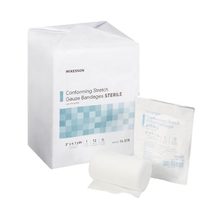
Gauze bandage roll
Holds a dressing in place

Elastic bandage
Stretch wrap for support and holding dressings
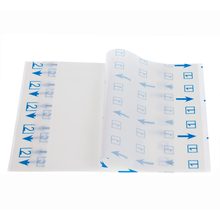
Transparent film roll
Clear film on a roll, cut to size


Show 4 more wound care suppliesShow fewer
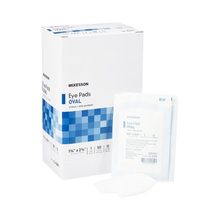
Eye pads
Soft oval pads to cover the eye

First aid ointments
Ointment tubes and single-use packets

Liquid skin adhesive
Helps dressings and tapes stay on
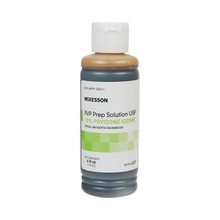
Antiseptic solution
For cleaning skin before a dressing change


These are examples. We carry many more. Ask us: (561) 245-5444.
Not sure which one is right?
Tell us how things are going at home and we'll help you choose. No pressure to upgrade.
Plain-language summary of the Medicare rule
What Medicare usually requires for wound dressings
So everyone knows what's needed before the order is sent. Florida Medicaid and other plans have their own rules; we check yours.
For patients and families
- Your doctor or nurse is treating a wound and has ordered the dressings.
- Your records describe the wound: where it is, how big and deep, and how much it drains.
- The wound is checked again regularly, and the dressings or how often they're changed are updated when it changes.
You don't have to collect any of this yourself. We request it from your doctor.
For providers and case managers
- Standard written order: patient name or Medicare number, order date, item description, quantity, practitioner name or NPI, and practitioner signature.
- Wound evaluation: type, location, size (length, width, depth), and drainage amount.
- The dressing type, size and change frequency, and whether it is a primary or secondary dressing.
- A current evaluation, updated at least monthly, supporting the quantity supplied.
Source: LCD L33831 Surgical Dressings · Article A54563. Summary reviewed Oct 2026. Coverage depends on your plan and medical records; we verify every case. A summary, not the full rule. Meeting these points does not guarantee payment.