
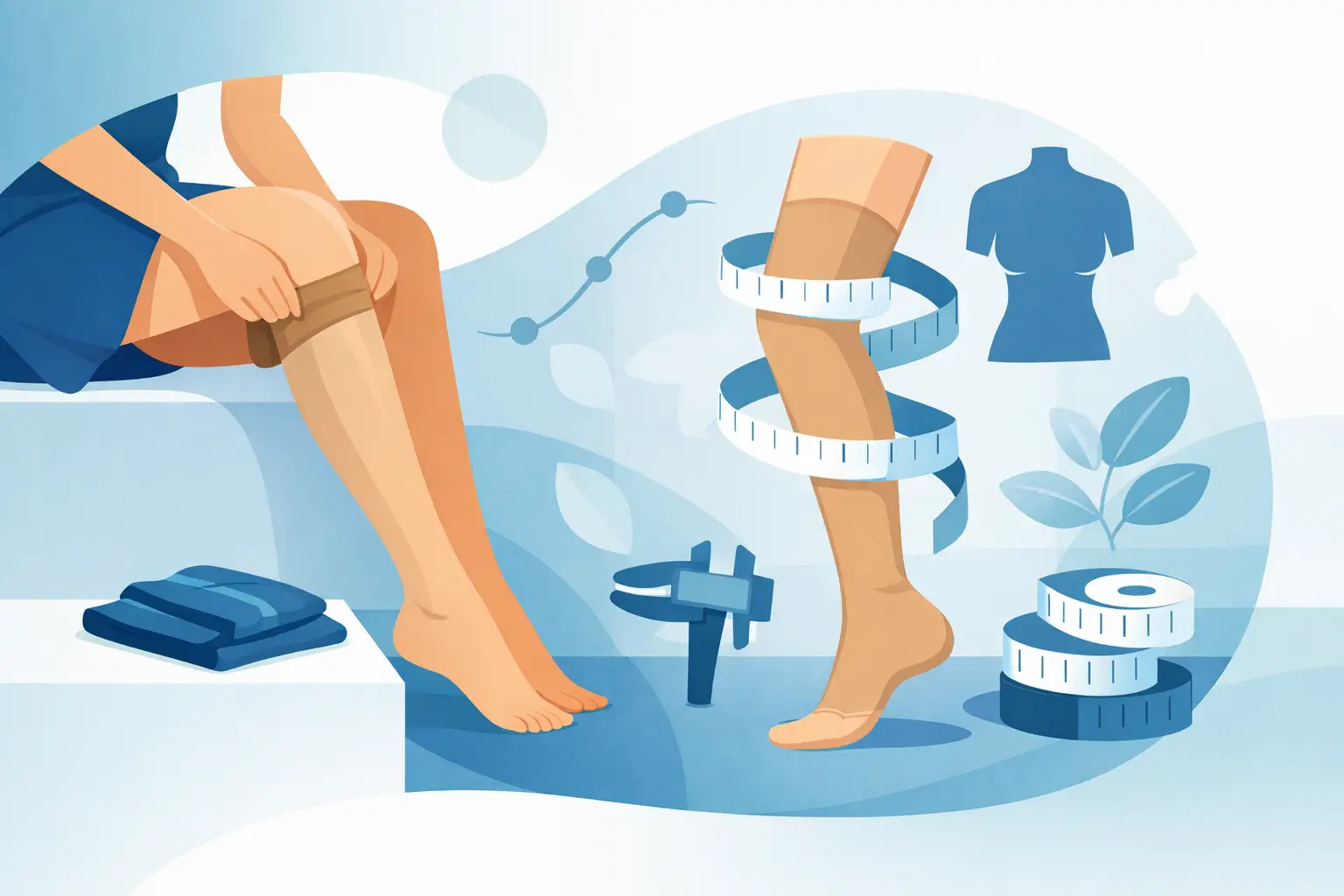
How to Size Compression Stockings Correctly
Compression stockings only work as intended when the pressure is applied in the right places. Knowing how to size compression stockings helps prevent common fit problems such as rolling, bunching, pinching behind the knee, or a stocking that feels too loose to provide meaningful support. For caregivers, clinicians, and homecare teams, accurate sizing also supports comfort and consistent wear, which can be just as important as the compression level selected.
Sizing is not the same as choosing a regular sock size. Compression garments are designed around circumference measurements and, depending on the style, leg length. The correct size can vary by manufacturer, compression level, stocking height, body shape, edema status, and whether the product is open- or closed-toe.
How to Size Compression Stockings Before Swelling Builds
Measure the leg as early in the day as possible, ideally shortly after the person gets up and before prolonged standing, sitting, or activity. This timing matters because ankles and calves often enlarge throughout the day, particularly for people with venous insufficiency, lymphedema, limited mobility, pregnancy-related swelling, or post-operative edema.
If the person already has significant swelling, follow the direction of the prescribing clinician or lymphedema specialist. In some cases, swelling must be reduced or stabilized before a standard compression stocking can fit safely and effectively. A made-to-measure garment may be needed when leg shape, circumference, or limb volume falls outside a manufacturer’s standard size chart.
Use a flexible, non-stretch measuring tape. The person should be sitting or standing with the foot flat on the floor, unless their clinician has provided a different positioning instruction. Keep the tape flat against the skin without pulling it tight enough to indent the tissue. Record measurements in inches or centimeters exactly as the manufacturer requests. Do not round down to make a measurement fit a preferred size.
For facilities, document the date, time of day, side measured, and measurement values in the patient record. This creates a useful baseline when swelling changes or a replacement garment is needed.
The Measurements You Need
Most graduated compression stockings require at least an ankle and calf measurement. Knee-high, thigh-high, and pantyhose styles have different measurement points, so always verify the product’s size chart before ordering.
Ankle circumference
Measure around the narrowest part of the ankle, usually just above the ankle bone. This is often the most critical measurement because graduated compression is strongest at the ankle and gradually decreases up the leg. An ankle measurement that is too large or too small for the selected size can affect both comfort and the intended pressure profile.
Calf circumference
Measure around the widest part of the calf. For some people, especially those with muscular calves, bariatric needs, or edema, calf circumference may place them in a different size than their ankle measurement. Do not assume the larger size is automatically correct. Follow the manufacturer’s guidance or seek clinical input when the ankle and calf fall into separate size ranges.
Lower-leg length for knee-high stockings
For knee-high stockings, measure from the floor or heel to the bend behind the knee, depending on the manufacturer’s instructions. The top band should generally sit about one to two finger widths below the knee crease. A garment that ends directly in the crease can pinch, roll, or create discomfort when the knee bends.
Thigh circumference and leg length
Thigh-high stockings usually require a measurement around the widest part of the thigh, often taken several inches below the gluteal fold. They also require a length measurement from the floor or heel to the gluteal fold. The top band should rest on the thigh without rolling, slipping, or digging into the skin.
Hip and waist measurements for pantyhose styles
Compression pantyhose or waist-high garments may require hip and waist measurements in addition to ankle, calf, thigh, and leg length. These garments must fit the lower body as a whole. If the waist section is too tight, it can be difficult to put on and uncomfortable during sitting. If it is too loose, the garment may slide down and create wrinkles along the leg.
Match Measurements to the Manufacturer’s Chart
Once measurements are complete, compare them to the size chart for that exact product. A medium in one compression stocking brand is not necessarily a medium in another. Size charts can also differ between women’s, men’s, unisex, petite, tall, wide-calf, maternity, and specialty styles.
Use the chart for the selected compression level whenever possible. Some manufacturers use the same sizing across their product line, while others adjust sizing by fabric construction or garment type. Standardized shoe size is useful for determining foot length in certain products, but it should never replace ankle and calf measurements.
When measurements land between sizes, the best answer depends on the product instructions and the wearer’s clinical needs. Moving up may improve comfort if the garment is difficult to don, but it can reduce the intended fit if the stocking becomes too loose at the ankle. Moving down may increase the risk of excessive tightness, skin irritation, or constriction. Consult the prescribing clinician, fitter, or product specialist rather than guessing.
Choose the Right Length and Compression Level
Correct dimensions alone do not guarantee the right compression stocking. The garment length and pressure level must also match the clinical objective.
Knee-high stockings are commonly used for lower-leg edema, varicose veins, mild venous symptoms, travel-related swelling, and many everyday support needs. Thigh-high and waist-high styles may be prescribed when coverage above the knee is needed. A clinician should determine the appropriate garment type for conditions involving the thigh, pelvis, post-operative care, or a history of clotting concerns.
Compression is generally expressed in millimeters of mercury, or mmHg. Lower compression may be appropriate for mild symptoms or preventive support, while moderate and higher levels are often used for diagnosed venous disease, lymphedema, or post-procedure care under clinical direction. Higher compression is harder to apply and is not automatically better.
People with peripheral arterial disease, severe neuropathy, uncontrolled congestive heart failure, acute skin infection, open wounds not managed with appropriate dressings, or suspected deep vein thrombosis should not begin compression without medical guidance. New one-sided swelling, warmth, redness, shortness of breath, or chest pain requires prompt medical evaluation rather than self-treatment with a stocking.
Check the Fit After the Stocking Is On
A properly fitted compression stocking should feel firm and supportive, not painfully tight. The fabric should lie smooth against the skin with no folds, twists, or bunching at the ankle. The heel pocket should sit at the heel, and the toe area should not crowd the toes or leave excessive loose fabric.
The top band should stay in place without rolling over. Rolling can create a tight, tourniquet-like area that interferes with comfort and may affect circulation. Do not fold the top band down to shorten the stocking. If a knee-high stocking reaches into the knee crease or a thigh-high garment slides down repeatedly, reassess the length and size.
After putting the garment on, check the skin and ask the wearer about numbness, tingling, burning, pain, color changes, or cold toes. Remove the stocking and contact a clinician if these symptoms occur. For patients who cannot reliably report symptoms, caregivers should inspect the skin daily, especially around the toes, ankle, heel, and top band.
Common Sizing Problems and Practical Fixes
A stocking that wrinkles around the ankle is often too long, too large, incorrectly applied, or not fully positioned at the heel. A stocking that feels excessively tight at the calf may be the wrong calf range, especially if edema or muscle mass is greater than expected. A stocking that slips down may be too large, too short, worn on moisturized skin, or simply worn beyond its useful service life.
Application technique also affects fit. Turn the stocking inside out to the heel, place the foot and heel correctly, then gradually work the fabric up the leg. Avoid pulling only from the top band. Donning gloves can improve grip and reduce the risk of snagging the fabric, while stocking donners may help people with limited hand strength, arthritis, back pain, or reduced mobility.
Measure both legs when swelling or leg shape differs from side to side. One person may need different sizes for the right and left leg. This is especially relevant after surgery, stroke, injury, or with unilateral lymphedema.
Accurate measurement protects the purpose of the garment: controlled, graduated support that the wearer can tolerate day after day. When the chart is unclear or the person’s condition is changing, DME Medical Supplies can help customers identify the measurements and product features needed for a more confident selection. A few careful measurements taken at the right time can prevent returns, reduce discomfort, and help keep compression therapy part of a reliable care routine.